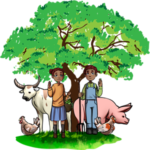
A Bit About Our Approach
Magarini is a unique project that offers a home to vulnerable children and youth while at the same time working with the wider community to address the underlying problems of poverty, social breakdown and land degradation.
A Bit More About Our Approach
At present the organization provides a home for 348 children, 92 of whom are orphans. 196 are vulnerable and marginalized children whose parents live in extreme poverty and exclusion in the community, and 56 of these are children of single mothers. Thanks to this initiative, all the children in the program can now access education, care, protection and have new hope for their life. We have created an environment where children can grow and live to their fullest potential.
Get started
We welcome donations to support our MissionDonate
Partners and Friends
We thank our funders for past and current support: Asian Rural Institute (ARI) provides training Sustainable Agriculture for MOCI staff/volunteers Chonya Investments Co Ltd from Kenya Nufaika Foundation from Kenya And many generous individual donors and church groups!


Sign up to receive our newsletter. You'll get updates from Magarini approximately once a month. You can cancel anytime, and we won't share your email address with anyone.
Contact Us
Magarini Children Centre and Organic Farming Demonstration Farm
P.O. Box 8 - 80207
Madina - Malindi
Kenya
hello@magarini-centre.com
+254 712870053
Open 24/7!
Get in touch
Feel free to drop us a line below!
If you have any questions about the Magarini Children Centre and Organic Farming Demonstration Farm, please contact us using the form, send us a letter by post, or give us a phone call.